
Fast Facts: Overwintering Insects
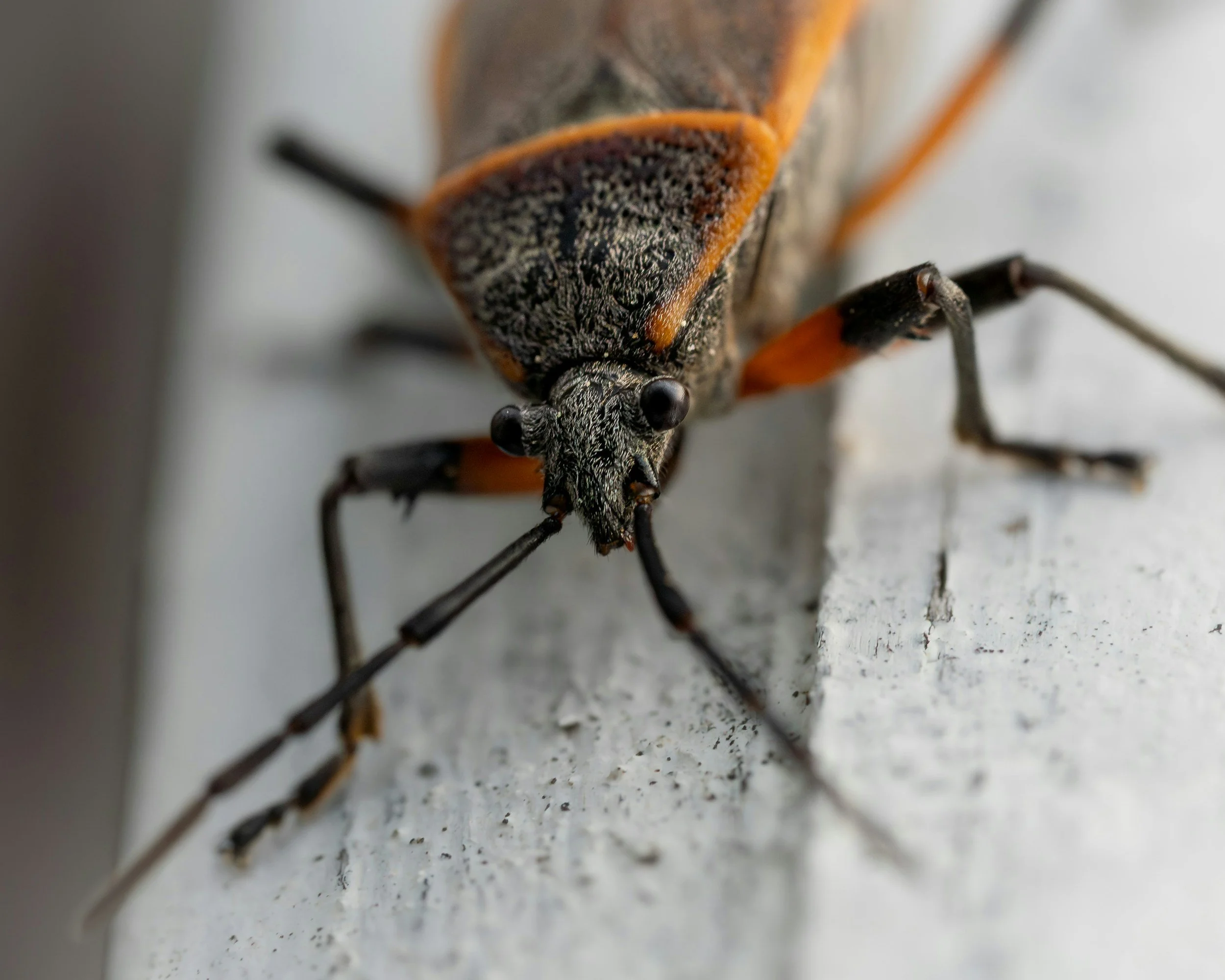
Common offenders: Boxelder bugs, Asian lady beetles, brown marmorated stink bugs, and cluster flies.
Peak entry season: Late summer through fall, typically September through November in Southeastern Wisconsin.
Where they hide: Attics, wall voids, soffits, window frames, siding gaps, and other protected spaces.
Why they enter: They're seeking shelter from freezing temperatures, not necessarily food.
Winter activity: Warm winter days and indoor heating can cause dormant insects to emerge unexpectedly.
Do they reproduce indoors? Most common overwintering nuisance insects do not reproduce inside homes during winter.
Best prevention: Seal entry points and schedule targeted exterior treatments before insects move inside.
Why ongoing service matters: Seasonal inspections and appropriately timed treatments help reduce pest activity before problems develop.
Important to know: Once insects are established inside wall voids, exterior treatments may have limited effectiveness against those already hiding.
The bottom line: Preventing overwintering insects from entering your home is generally easier than removing them once they've settled in.
Why Overwintering Insects Make Preventative Pest Control Worth Considering
Every fall in Southeastern Wisconsin, something predictable happens. Temperatures begin to drop, daylight gets shorter, and insects that spent the summer outdoors start looking for somewhere to spend the winter.
Unfortunately, your home may be exactly what they're looking for.
Boxelder Bugs gather on sunny siding. Asian lady beetles appear around windows and door frames. Brown Marmorated Stink Bugs crawl along exterior walls, searching for openings. Cluster flies find their way into attics and wall voids.
And then, seemingly overnight, they're inside.
For many homeowners, this is when pest control becomes a priority. But there's an important question worth asking:
Why wait until the insects are already inside?
What Are Overwintering Insects?
Overwintering is a survival strategy that allows insects to make it through colder months when food and favorable conditions become scarce.
Some insects survive winter as eggs, larvae, or pupae. Others survive as adults, entering a period of reduced activity known as diapause or a similar dormant state.
For certain species, buildings provide excellent overwintering locations. Wall voids, attics, soffits, window frames, and gaps around exterior trim offer shelter from harsh winter conditions.
Among the most common overwintering nuisance insects in Wisconsin are:
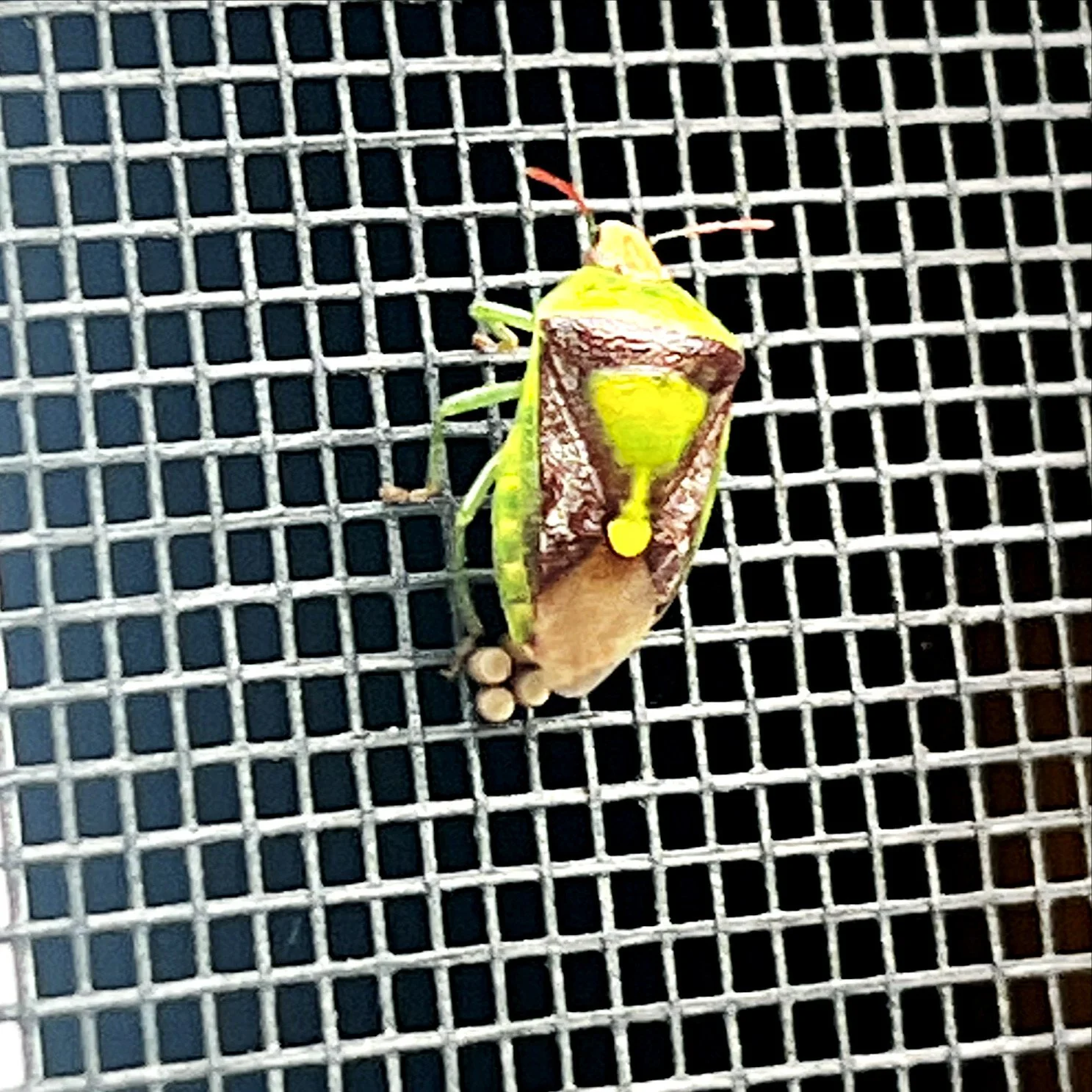
Boxelder Bugs: Frequently gather in large numbers on sun-warmed exterior walls before entering gaps and crevices.
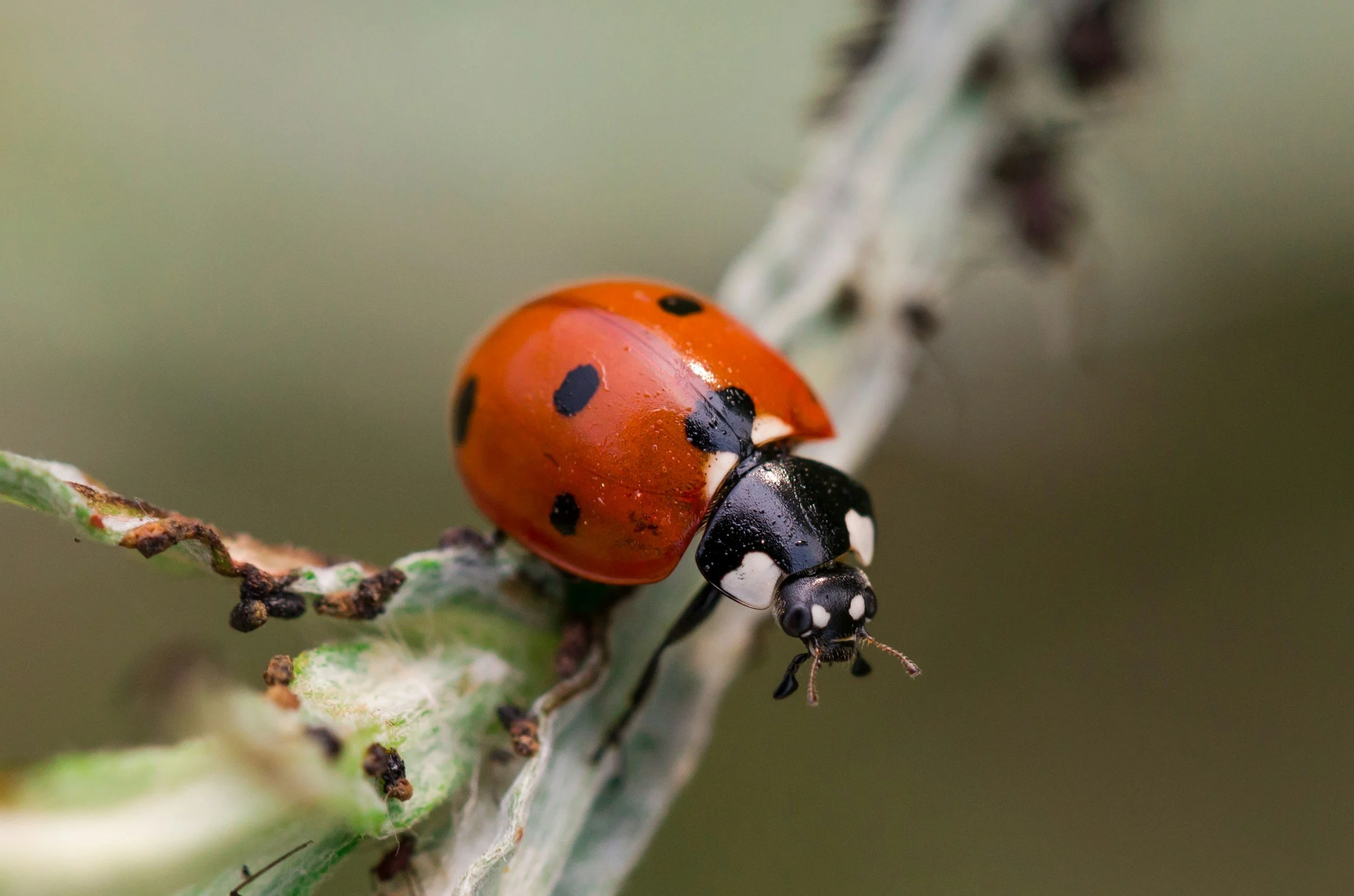
Asian Lady Beetles: Often congregate around windows, siding, and rooflines before seeking protected spaces indoors.
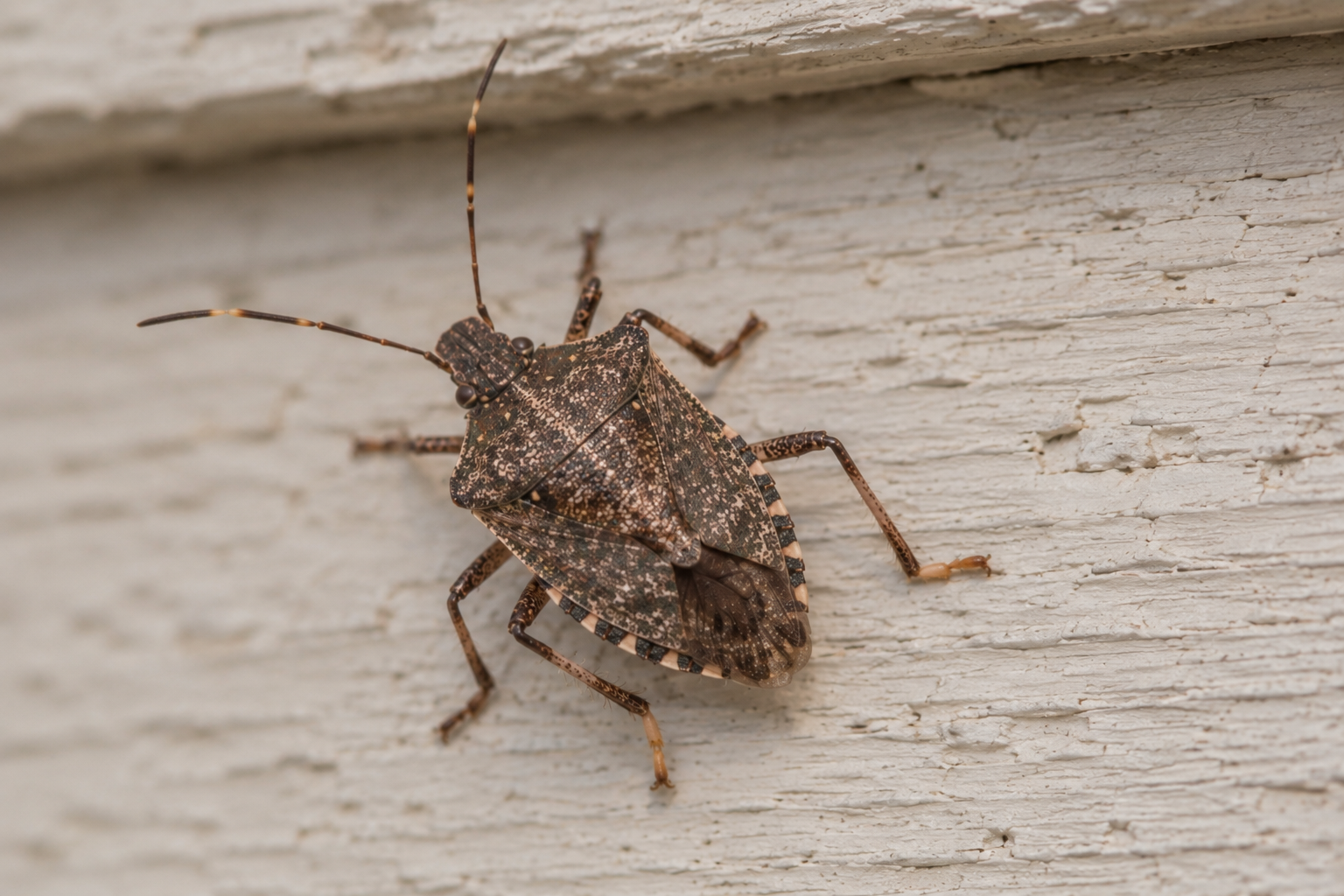
Brown Marmorated Stink Bugs: Commonly enter buildings through small openings around doors, windows, siding, and utility penetrations.
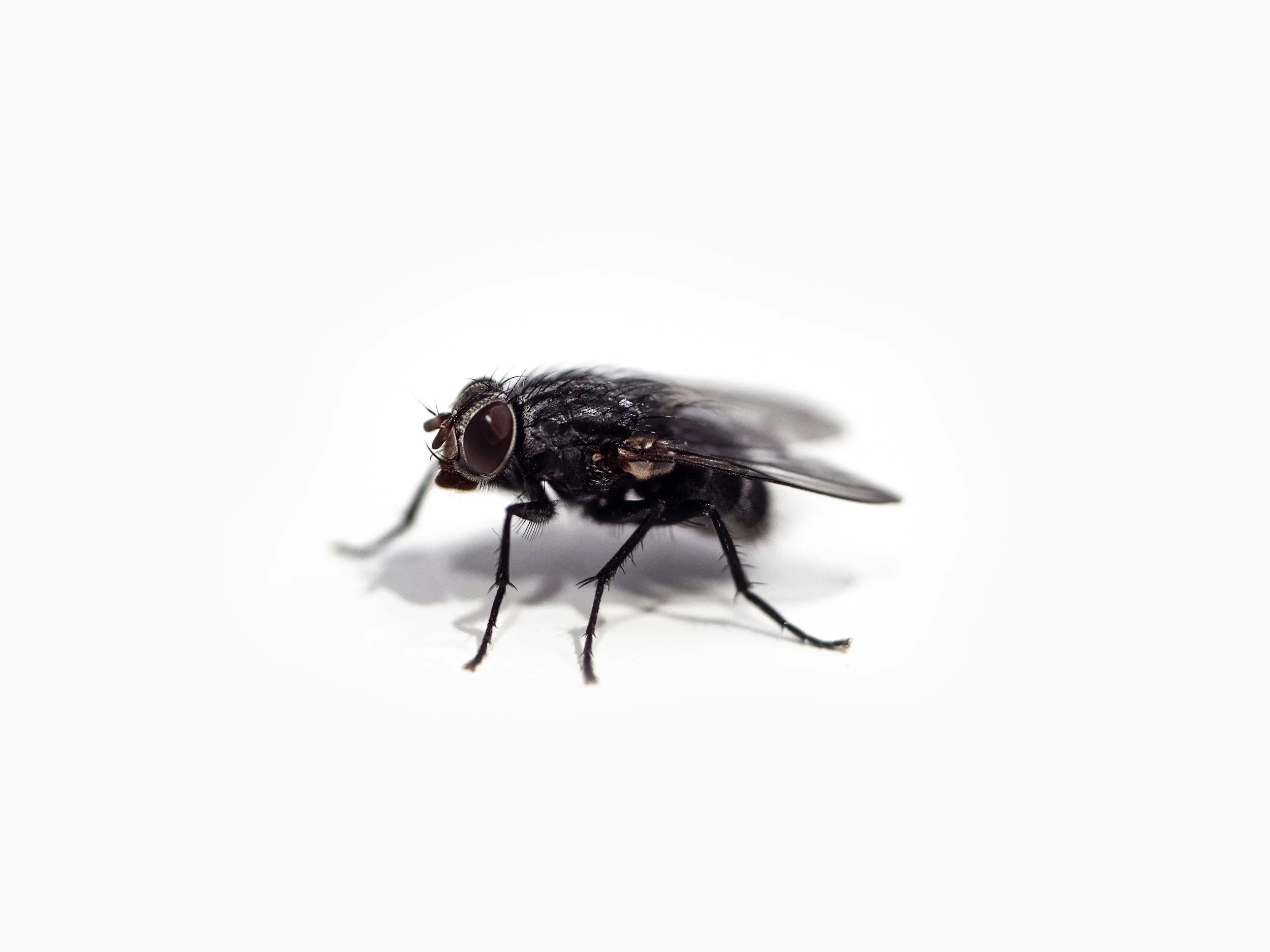
Cluster Flies: Seek protected spaces such as attics and wall voids, sometimes appearing indoors during warmer winter days.
Most of these insects aren't looking for food inside your home. They're looking for shelter.
And once they've found a suitable place, they can remain hidden for months.
The Problem With Waiting Until You See Them
One of the biggest misconceptions about pest control is that treatment is only necessary when insects are visible.
But visible insect activity doesn't always tell the whole story.
When Boxelder Bugs or Asian Lady Beetles appear around your windows in January, they may not have just entered your home. They could have been hiding inside the structure since September or October.
A warm winter afternoon, indoor heating, or changing light conditions can bring dormant insects out of their hiding places.
At that point, an exterior treatment may do little to reach the insects already sheltered deep within the building.
Interior removal can address the insects you see, but it doesn't necessarily resolve the larger population hidden in inaccessible areas.
The most effective opportunity to prevent many overwintering insect problems is often before those insects enter the structure.
Why Continuous Pest Management Makes Sense
Pest activity doesn't follow a single season.
Spring brings emerging ant colonies and other insects becoming active. Summer brings spiders, stinging insects, and a wide variety of outdoor pests. Fall brings overwintering insects searching for shelter. Winter can bring rodent activity and insects emerging from protected indoor spaces.
Each season presents different challenges.
A continuous pest management program allows treatments, inspections, and preventative measures to be adjusted as those challenges change.
That doesn't mean applying pesticides constantly or treating areas that don't need attention.
It means maintaining a strategy throughout the year rather than starting from scratch every time a new problem appears.
A responsible ongoing program may include:
Inspecting vulnerable entry points and identifying conditions that encourage pest activity.
Applying targeted exterior treatments when seasonal pest pressure warrants them.
Monitoring activity to identify developing problems.
Recommending exclusion measures such as sealing gaps, repairing screens, and addressing openings around siding and utilities.
Adjusting the treatment strategy as pest populations and seasonal conditions change.
The goal is simple: reduce the opportunity for pests to establish themselves in the first place.
Preventative Treatments Have Limitations, Too
It's important to understand that no pesticide application creates an impenetrable shield around a home.
Sunlight, moisture, weather exposure, surface conditions, and the specific product used can influence how long a treatment remains effective.
Even a properly treated home may experience occasional insect activity.
And some insects will find their way inside regardless of treatment, particularly when structural openings remain unaddressed.
That's why we believe prevention should involve more than spraying the perimeter of a house.
Inspection, exclusion, monitoring, and carefully timed applications work together to produce better long-term results.
Why Timing Matters So Much in Wisconsin
In Southeastern Wisconsin, overwintering insect activity often becomes noticeable in late summer and early fall.
As temperatures fluctuate, insects begin congregating on buildings, particularly on surfaces warmed by afternoon sunlight.
This is an important window for preventative action.
Exterior treatments, when appropriate and properly timed, can help reduce the number of insects entering protected structural spaces.
Waiting until December or January changes the situation considerably.
By then, many insects may already be inside wall voids, attics, and other inaccessible locations.
Treatment becomes less about preventing entry and more about managing insects as they emerge.
That distinction matters.
Preventative pest management and reactive pest control are not the same thing.
Does Every Home Need Year-Round Treatment?
No.
Every property is different, and pest pressure varies depending on location, landscaping, construction, maintenance, and previous pest activity.
Some homes may benefit from a seasonal preventative program. Others may need more consistent monitoring and service. And some properties may have relatively few pest issues.
We don't believe homeowners should pay for unnecessary treatments.
What we do believe is that homeowners should understand the difference between treating an existing infestation and actively working to prevent one.
For properties with recurring seasonal pest problems, an ongoing management plan can offer a more practical approach than repeated emergency or one-time services.
The WanderBug Approach
At WanderBug, we believe pest control should be proactive, transparent, and based on the actual needs of the property.
We don't believe in applying products simply because a calendar says it's time. We believe in understanding what pests are active, why they're present, and what can reasonably be done to prevent them from becoming a problem.
Sometimes that means a targeted treatment. Sometimes it means identifying an opening that needs to be sealed. Sometimes it means monitoring an area before deciding whether additional treatment is necessary.
And sometimes, the best service we can provide is explaining why treatment isn't needed at all.
Our goal isn't to keep coming back because the same problem never gets resolved.
Our goal is to help prevent the problem from returning.
Because when it comes to overwintering insects, the best time to think about the insects inside your home is often while they're still outside.
WanderBug provides residential and commercial pest management services throughout Racine, Kenosha, and surrounding Southeastern Wisconsin communities. Whether you're dealing with an active pest problem or looking to prevent seasonal activity, we're here to help you understand your options.