
The Great Stink Bug Invasion
Why They Want In and What You Can Do About It
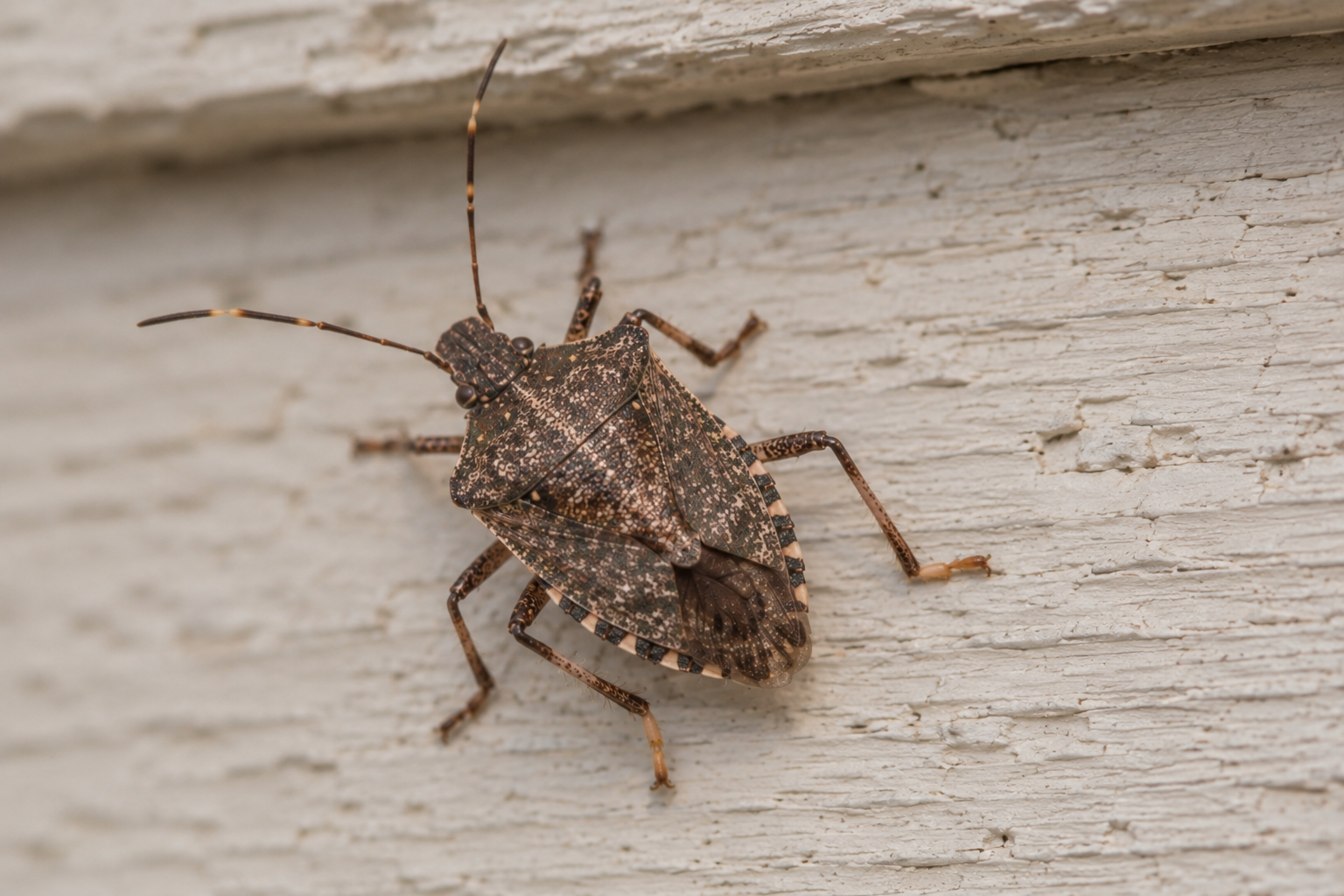
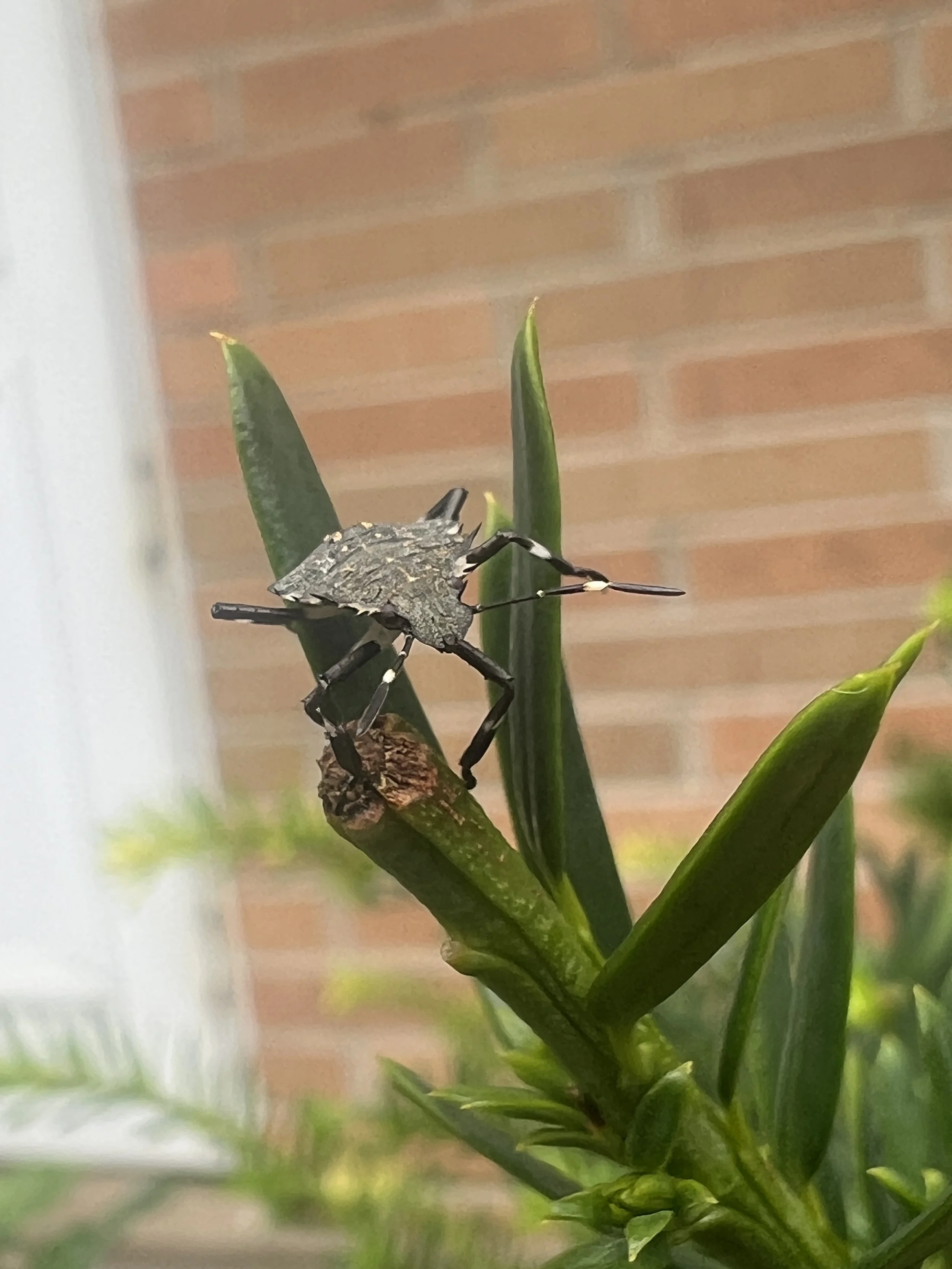
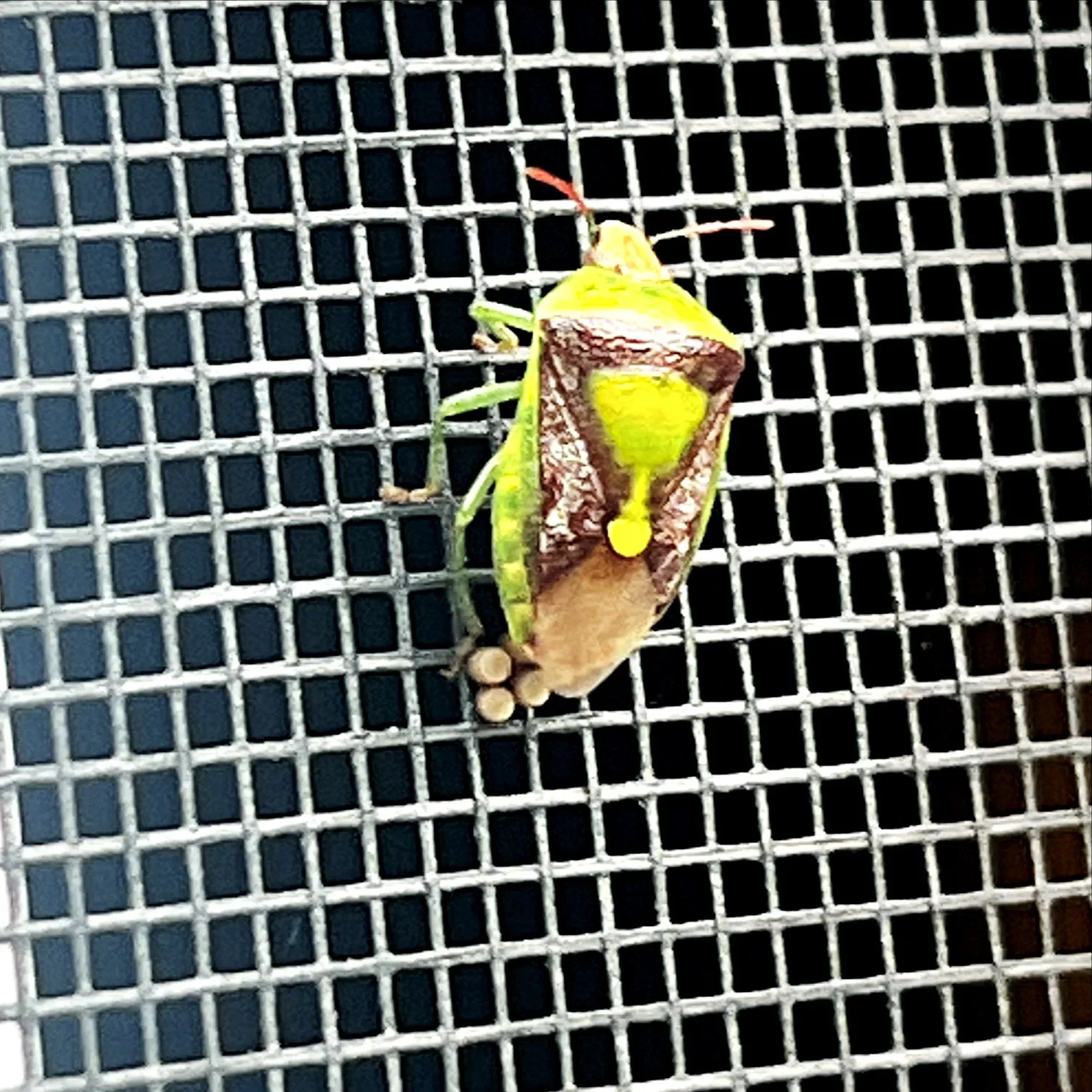
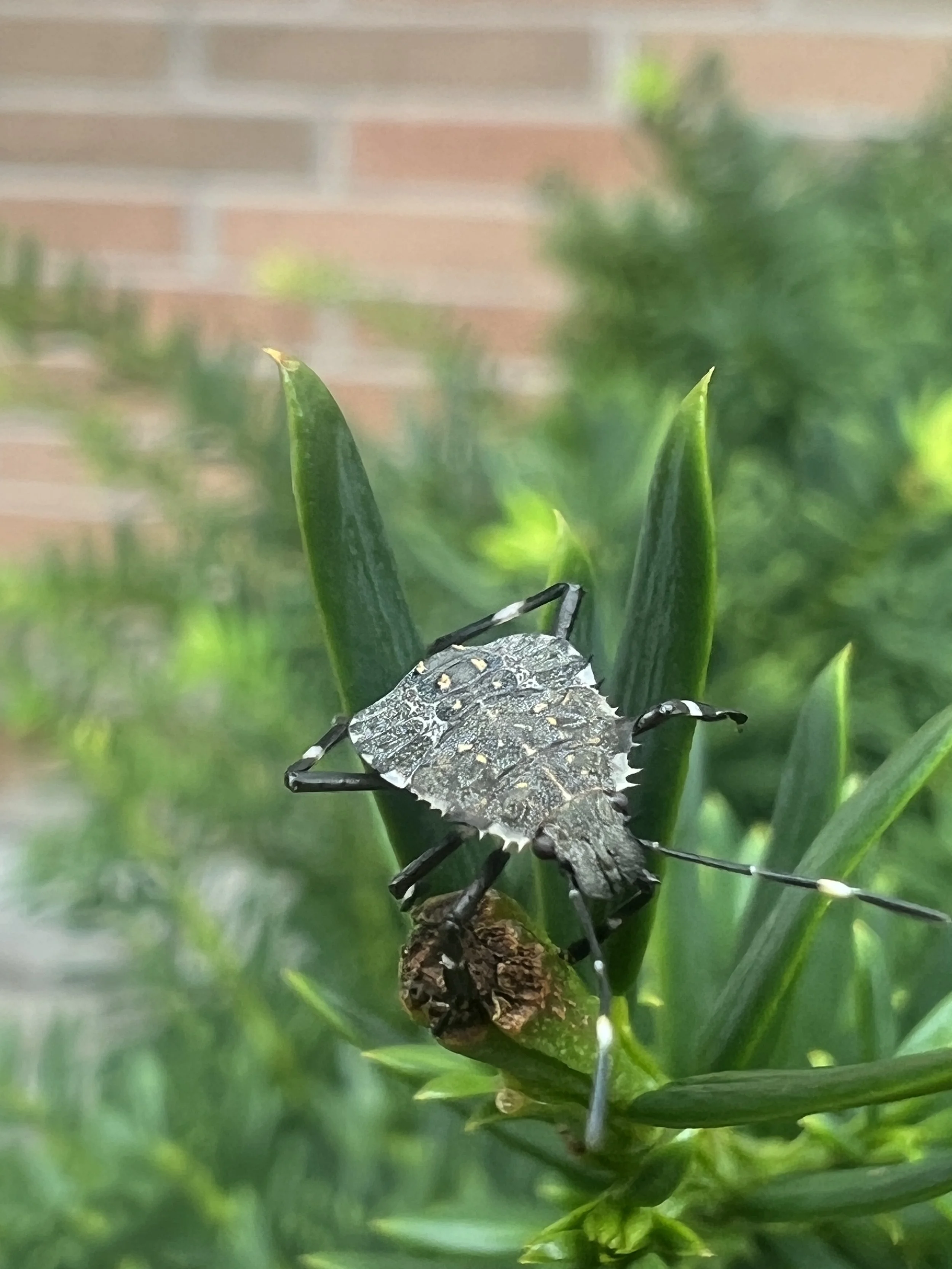
Stink Bug Fast Facts
Common home invader: Brown marmorated stink bug
Wisconsin: Invasive; established in southeastern Wisconsin
Why they come inside: To overwinter in protected spaces
Peak season: Late summer and fall
Entry points: Windows, doors, siding, vents, and utility gaps
Harmful? Mostly a nuisance indoors; they don't damage structures
Garden impact: Can damage plants, but some stink bugs are beneficial predators
The smell: A defensive odor released when disturbed or crushed
Best prevention: Seal entry points before fall
Bottom line: Keep them out rather than trying to get them out.
You see one on the window.
Then another.
Then you notice a few more gathered along the sunny side of the house.
If you live in southeastern Wisconsin, this is a pretty familiar fall sight.
Eventually, you start wondering:
Why are there so many stink bugs—and why do they want inside my house?
The answer has a lot to do with the changing seasons and one particular species: the brown marmorated stink bug.
Stink bugs are actually a diverse group of insects. Some feed on plants, some prey on other insects, and some have become very good at turning Wisconsin homes into winter shelters.
Let's take a closer look.
Green or Brown?
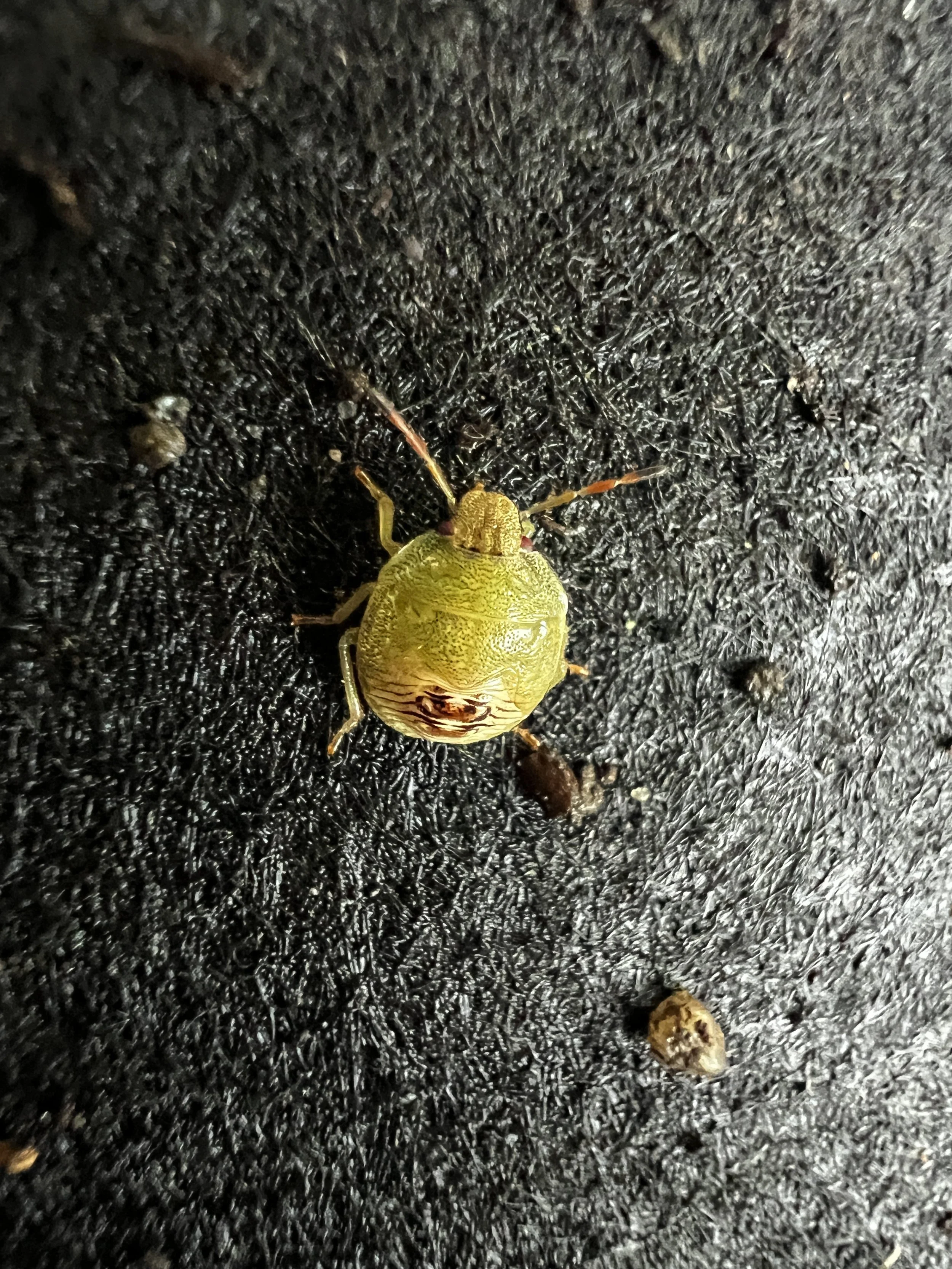
There are several species of stink bugs found around Wisconsin, and green is one of the colors you're likely to encounter.
Green Stink Bugs
Green stink bugs are plant feeders. They use piercing-sucking mouthparts to puncture plant tissue and feed on plant fluids.
That can make them pests of gardens and crops, particularly when populations are high. They can feed on things such as beans and developing fruits and seeds.
For the average homeowner, however, seeing a green stink bug doesn't automatically mean you've discovered a major pest problem.
That's because “stink bug” describes a whole group of insects, not one particular pest.
Not Every Stink Bug Is a Pest
Many stink bugs feed on plants, but southeastern Wisconsin is also home to predatory stink bugs.
Species in the subfamily Asopinae feed on caterpillars, beetle larvae, and other insects, making them beneficial predators in gardens and natural areas. UW–Madison has documented these predatory stink bugs in Wisconsin and describes them as beneficial allies that can help keep other pests in check.
So if you spot a stink bug in the garden, don't automatically assume it needs to be sprayed. Identification matters.
The story changes, however, when you find brown, shield-shaped stink bugs gathering around your house in the fall.
In southeastern Wisconsin, those are increasingly likely to be brown marmorated stink bugs, or BMSB—an invasive species that has become well established in the region. UW–Madison currently identifies southeastern Wisconsin as one of the areas of the state with the strongest BMSB presence.
A stink bug in the garden isn't necessarily a problem. A group of brown marmorated stink bugs trying to move into your house for the winter is a different story.
The Brown Marmorated Stink Bug (The one homeowners are probably talking about)
The brown marmorated stink bug is an invasive species native to parts of East Asia.
It was first detected in Wisconsin around 2010 and has since spread throughout much of the state. Current UW–Madison information places its strongest Wisconsin presence in south-central, southeastern, and east-central Wisconsin, making it particularly relevant to homeowners in the Racine, Kenosha, Milwaukee, and surrounding areas.
Adults are generally brownish-gray, mottled, and shield-shaped.
One of the better identification clues is found on the antennae: brown marmorated stink bugs have alternating light and dark bands on their antennae. You can also see alternating light and dark markings along the exposed edge of the abdomen.
And yes, they stink.
When disturbed or crushed, they release a strong defensive odor.
That odor is one of the reasons homeowners remember them.
So Why Do They Want In Your House?
This is the part that makes the fall invasion make sense.
They're looking for somewhere to spend the winter.
As temperatures begin to fall, adult brown marmorated stink bugs seek protected overwintering sites. In Wisconsin, that can mean houses and other structures.
Sunny sides of buildings can become particularly attractive in the fall because they warm up during the day. You may see stink bugs gathering around windows, siding, doors, and other exterior surfaces before they begin working their way into protected spaces.
And they don't need a front door.
A small gap is enough.
Common entry points include gaps around siding, doors, windows, vents, and openings where pipes and wires enter the structure.
Once inside, adults can settle into protected areas of the structure and remain there through the winter.
In Wisconsin, brown marmorated stink bugs generally have one generation per year. Adults overwinter in protected locations, become active in spring, and reproduce during the growing season.
From the stink bug's perspective, your house is a pretty good winter shelter.
From the homeowner's perspective...
not so much.
Why Do They Suddenly Show Up Inside?
One of the strange things about a stink bug invasion is that the bugs may seem to disappear after they get inside.
That doesn't necessarily mean they've gone away.
They may simply have settled into protected areas of the structure.
During winter, they remain relatively inactive. On warm days, or when temperatures inside the building rise, some may become active again and appear in living spaces.
You might find them around windows, walls, ceilings, or other areas where they have emerged from concealed spaces.
And that's why killing the bugs you see isn't necessarily the same thing as solving the problem.
The stink bug on the wall is the symptom. The opening in the exterior may be the reason they're there.
Are Stink Bugs Actually Harmful?
Inside the house, brown marmorated stink bugs are primarily a nuisance pest.
They don't eat the structure, and they don't bite people. Their biggest indoor offense is simply being there—and occasionally making themselves very unpleasant to deal with.
When disturbed or crushed, they release their characteristic odor. Large numbers can make that odor particularly noticeable, and they can sometimes stain light-colored surfaces.
Outside, however, the story is different.
BMSB feeds on a wide range of plants, including fruits, vegetables, field crops, and ornamentals. Feeding can cause discoloration, distortion, sunken areas, and other damage to developing plant material.
There is an important Wisconsin-specific qualification, though:
Damage to landscape plants in Wisconsin is generally considered minor.
The insect is a more significant agricultural pest in some other parts of the country than it currently is here.
So if you find a few BMSB on your backyard plants, there's no need to assume your garden is under siege.
How Are They Getting Into the House?
If stink bugs are becoming a yearly fall visitor, take a look at the exterior of the building.
You're looking for places where the outside and inside of the structure aren't completely sealed from one another.
Check the Doors
Look for gaps beneath exterior doors, worn weather stripping, damaged thresholds, and openings around the frame.
A properly fitted door sweep can eliminate an easy access point.
Check the Windows
Look at screens, window frames, trim, and caulking.
Older windows can be particularly worth inspecting.
Look at the Siding
Pay attention to corners, seams, loose sections, and places where siding meets trim or other materials.
Check Utility Penetrations
Your home needs openings for electrical lines, plumbing, cable, vents, and other utilities.
Those openings should be properly sealed.
Look Up
Soffits, fascia, vents, roofline intersections, and other elevated areas can be easy to overlook from the ground.
And remember:
The place where you see the stink bug isn't necessarily where it got inside.
Once an insect gets into a wall void or another protected portion of the structure, it can emerge somewhere completely different.
Prevention: Keep Them Out Before They Get In
When it comes to brown marmorated stink bugs, exclusion is one of the most important tools you have.
That means finding and sealing potential entry points before the fall invasion gets underway.
Start with the basics:
Repair damaged screens.
Replace worn weather stripping.
Install or repair door sweeps.
Seal gaps around windows and doors.
Inspect siding for loose sections or openings.
Seal gaps around utility lines and pipes.
Check vents and other exterior penetrations.
Inspect soffits, fascia, and roofline areas.
Pay particular attention to sunny exterior walls where stink bugs tend to congregate.
UW–Madison specifically recommends physical exclusion using materials such as caulk, weather stripping, backer rod, or expanding insulation foam where appropriate.
The goal isn't to make your house completely airtight.
It's to eliminate the unnecessary gaps that give insects an easy route into the structure.
And timing matters.
If you're waiting until stink bugs are already covering the side of the house in October, you've waited until they're already looking for their winter accommodations.
What If They're Already Inside?
For a few stink bugs, simple removal is usually enough.
You can carefully knock them into a container of soapy water or vacuum them up.
If you use a vacuum, empty it outside promptly. BMSB can release odor when disturbed, and that smell can linger in a vacuum cleaner.
And while it might be tempting to reach for an indoor pesticide, that's generally not the best approach.
Wisconsin Extension does not recommend using insecticides inside the house to deal with BMSB.
If you're seeing large numbers year after year, the more useful question is:
Where are they getting in?
That's where prevention begins.
Exterior insecticide treatments can provide temporary protection around potential entry points when properly timed, but UW–Madison still emphasizes physical exclusion as an important part of preventing BMSB from entering structures.
The Wanderbug Takeaway
Here in southeastern Wisconsin, brown marmorated stink bugs aren't some strange bug that occasionally wanders inside by accident.
They're an established invasive species, and UW–Madison identifies southeastern Wisconsin as one of the areas of the state where their presence is strongest.
When autumn arrives, they're following a pretty simple instinct:
Find shelter before winter.
Your house happens to offer an excellent place to do that.
The good news is that you don't have to make your home an inviting destination.
Repair the screens.
Seal the gaps.
Check the doors and windows.
Pay attention to siding, soffits, vents, and utility openings.
And if stink bugs are already appearing inside by the dozens, don't just count the bugs.
Look for the way they're getting in.
Because with brown marmorated stink bugs, keeping them outside is usually a lot easier than trying to deal with them after they've moved in.
References & Further Reading
University of Wisconsin–Madison Division of Extension — Brown Marmorated Stink Bug
Detailed information on identification, distribution in Wisconsin, life cycle, overwintering behavior, damage, and management.
UW–Madison Extension: Brown Marmorated Stink BugUniversity of Wisconsin–Madison Division of Extension — Brown Marmorated Stink Bug Identification
Identification characteristics and information specific to Wisconsin.
UW–Madison Extension: Brown Marmorated Stink BugUW–Madison Extension — UW Lab Lens, September 15, 2025
Wisconsin observations and discussion of predatory stink bugs and their role as beneficial insects.
UW–Madison Extension: UW Lab Lens