
Mosquito (Culicidae)
Identification
Adult mosquitoes are slender insects with long legs, a long piercing mouthpart (proboscis), and delicate wings. Females bite to obtain blood for egg development; males feed on nectar and do not bite.
Wisconsin has more than 50 mosquito species. Many do not bite people. The most common nuisance species are floodwater mosquitoes (Aedes vexans) that appear after heavy rains, and Culex species that breed in permanent or semi-permanent water sources.
Biology & Life Cycle
Mosquitoes have four life stages: egg, larva, pupa, and adult. Eggs are laid on or near water. Larvae and pupae develop in standing water. Depending on temperature, the cycle from egg to adult can take as little as 7–10 days in warm weather.
Only females bite. Different species prefer different water sources — temporary flood pools, permanent ponds, containers, catch basins, or cattail marshes.
Habits & Behavior
Most biting mosquitoes are active at dawn and dusk, though some species bite during the day. They are attracted to carbon dioxide, body heat, and certain scents. Flight range varies by species — some stay close to breeding sites while others can travel a mile or more.
Signs of Infestation / Activity
Frequent mosquito bites, especially near dusk
High numbers of mosquitoes after rain or in areas with standing water
Larvae (“wrigglers”) visible in birdbaths, buckets, clogged gutters, or other water-holding containers
Health & Property Risks
Mosquitoes are a major nuisance and can transmit diseases. In Wisconsin the primary concern is West Nile virus, mainly associated with Culex species. Other viruses (such as Jamestown Canyon virus) occur at lower levels. Most bites cause only temporary itching and swelling, but allergic reactions and secondary infections from scratching can occur.
Prevention Tips
Eliminate standing water weekly (birdbaths, buckets, toys, tarps, clogged gutters, tire swings, etc.)
Keep gutters clean and free-flowing
Empty or treat unused swimming pools and decorative water features
Use screens on windows and doors
Wear long sleeves and pants during peak biting times
Consider EPA-registered repellents when outdoors
Treatment Approach
The most effective long-term control targets the larval stage:
Remove or dump standing water
Apply Bti (Bacillus thuringiensis israelensis) products to water that cannot be drained (these specifically kill mosquito larvae and are low-risk to other organisms)
Treat catch basins and other permanent water sources as needed
Adult control (sprays or foggers) provides temporary relief but does not solve the source of the problem. Professional programs often combine larval treatment with targeted adult reduction when populations are high.
When to Call a Professional
Call if:
Mosquito pressure is consistently high despite source reduction
You have hard-to-reach or extensive breeding sites (wooded areas, large properties, dense vegetation)
You want a seasonal mosquito management plan
There is concern about West Nile virus risk in the area
Local Notes
Mosquitoes are a regular summer issue across Racine County and southeastern Wisconsin. Floodwater species (Aedes vexans) surge after heavy rains, while Culex species (the primary West Nile vectors) are more associated with permanent water and urban containers. Consistent source reduction — especially emptying small containers — remains the most effective homeowner action.
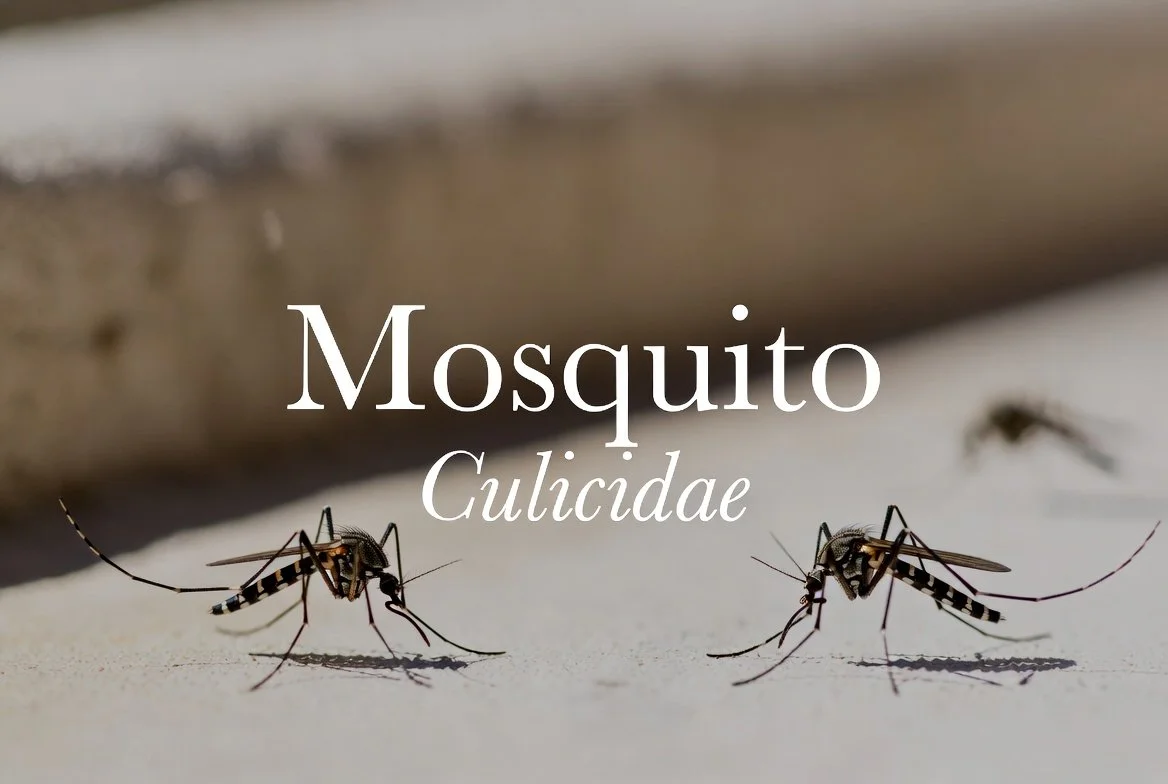
Quick Facts
Family: Culicidae
Common pest species in Wisconsin: Aedes vexans (floodwater mosquito), Culex pipiens / Culex restuans (house mosquitoes), and others
Adult size: About ⅛ to ⅜ inch
Main issue: Biting and potential disease transmission
Key breeding requirement: Standing water