
Horse Fly (Tabanidae)
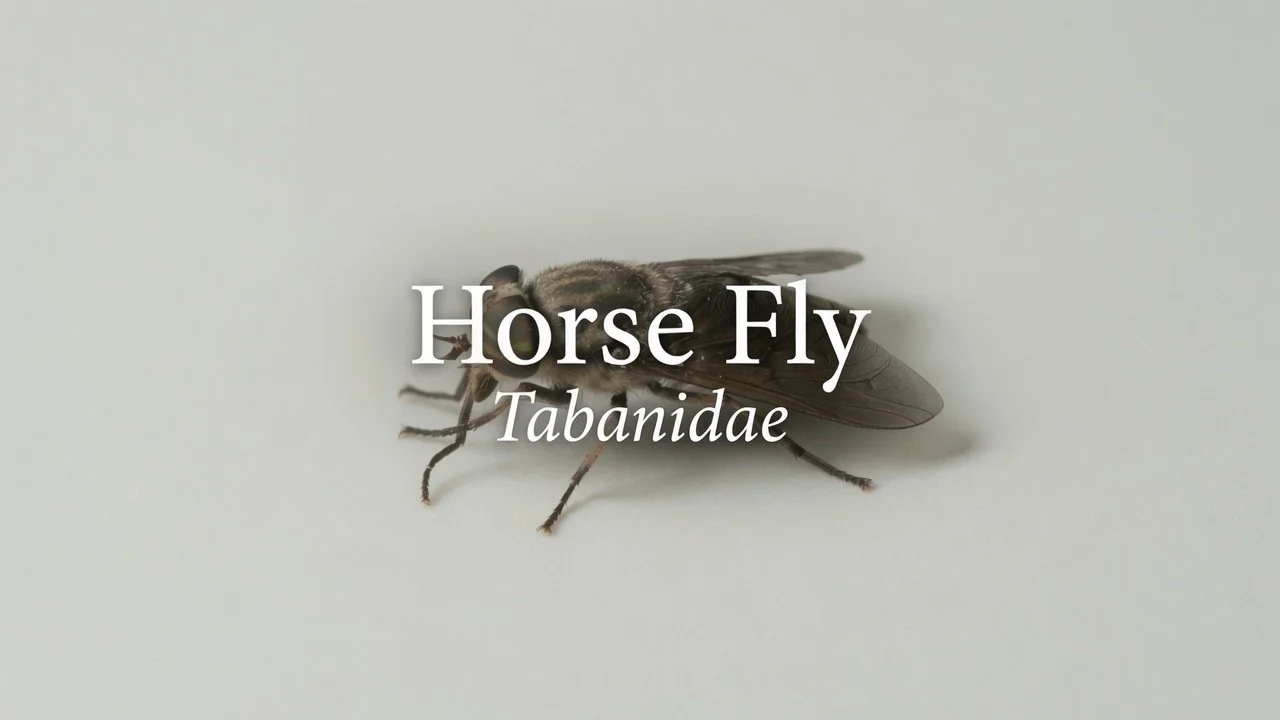
Quick Facts
Scientific name: Drosophila spp.
Size: About 1/8 inch
Life cycle: Egg → larva → pupa → adult
Breeding sources: Fermenting fruit, food residue, garbage, recycling, and other organic material
Biting or stinging: No
Primary concern: Nuisance and sanitation
Wisconsin activity: Common indoors year-round when conditions are suitable
Identification
Fruit flies are tiny flies, usually about 1/8 inch long, with tan to brown bodies and prominent red or dark eyes. They are much smaller than house flies and are commonly seen hovering around kitchens, garbage, recycling containers, fruit bowls, and other areas where food or organic residue is present.
They are often mistaken for other small indoor flies, particularly drain flies and fungus gnats. A close look at their body shape and behavior can help distinguish them.
Biology & Life Cycle
Fruit flies develop through four stages: egg, larva, pupa, and adult. Females lay eggs on or near moist, fermenting organic material such as overripe fruit, vegetables, spilled beverages, or residue in garbage and recycling containers.
Under warm conditions, the life cycle can be completed in as little as 8–10 days. Because they reproduce quickly, a small number of adults can turn into a noticeable infestation in a short period of time when a breeding source is available.
Adults may live for several weeks, allowing multiple generations to develop around an ongoing food or moisture source.
Habits & Behavior
Fruit flies are strongly attracted to fermenting and sugary materials. They are most commonly found indoors around kitchens, bars, restaurants, break rooms, garbage areas, and anywhere food residue or organic material accumulates.
Common attractants include:
Overripe or damaged fruit
Fermenting vegetables or food
Spilled juice, soda, wine, or other sugary liquids
Garbage and recycling residue
Empty bottles and cans
Organic buildup in drains or other damp areas
Adults are small and active, often hovering around the source rather than traveling long distances throughout a building.
Signs of Activity
Small flies hovering around fruit, garbage, recycling, or beverages
Increased fly activity around kitchens or food-preparation areas
Flies appearing around bottles, cans, or containers with leftover liquid
Repeated activity despite removing visible adult flies
A sudden increase in flies over several days
When fruit flies continue appearing after obvious food sources have been removed, there may be a hidden breeding source nearby.
Health & Property Risks
Fruit flies are primarily a sanitation and nuisance pest rather than a biting or structural pest.
Because they move between decaying organic material, garbage, drains, and food-contact areas, they can potentially transfer microorganisms to food and food-preparation surfaces. This makes fruit flies particularly important to control in kitchens, restaurants, food-service areas, and other places where sanitation matters.
They do not bite or sting people and do not damage the structure of a building.
Prevention Tips
Store ripe fruit in the refrigerator when practical
Discard overripe or damaged produce promptly
Keep garbage containers clean and covered
Rinse bottles and cans before placing them in recycling
Clean spills involving sugary or fermented liquids
Keep food-preparation areas clean and dry
Inspect drains and other damp areas for organic buildup
Avoid leaving food or beverages uncovered for extended periods
If fruit flies continue appearing after cleaning, look for a hidden source rather than simply treating the adult flies.
Treatment Approach
Effective fruit fly control starts with finding and eliminating the breeding source.
Simply killing adult flies may provide temporary relief, but new adults can continue emerging if eggs and larvae remain in the environment.
A professional treatment may include:
Identifying hidden food, moisture, or organic sources
Inspecting kitchens, drains, garbage and recycling areas
Targeting areas where larvae may be developing
Reducing adult fly activity
Recommending sanitation and source-removal measures
Monitoring the area to make sure activity is actually declining
In persistent infestations, finding the source is usually more important than treating the flies that are currently visible.
When to Call a Professional
Call if:
Fruit flies continue appearing despite thorough cleaning
The breeding source cannot be identified
Activity is widespread or persistent
Flies are affecting a restaurant, workplace, or other food-service environment
You need help determining whether the flies are actually fruit flies or another small fly species
Local Notes
Fruit flies are common throughout Racine County and southeastern Wisconsin and can become a problem anywhere food and organic material are present.
Wisconsin's warm summer months can accelerate their reproduction, but indoor infestations can occur throughout the year when suitable food and moisture sources are available.
Unlike seasonal outdoor flies, fruit flies are primarily an indoor sanitation pest. Once a suitable breeding source is established, they can reproduce continuously inside a building.