
That Unmistakable Buzz
When people hear the loud buzzing of late summer, they often assume it's the famous 13- or 17-year periodical cicadas. In reality, the insects filling Wisconsin's trees each August are usually dog-day cicadas, also known as annual cicadas.
Despite the name, they aren't born every year. Individual dog-day cicadas spend 2–5 years underground (sometimes even longer, depending on the species) feeding on tree roots before emerging as adults. Because different groups mature at different times, some emerge every summer, giving the appearance of an annual life cycle.
In southeastern Wisconsin, you'll typically hear them from late July through September, especially on hot, sunny afternoons. They spend most of their time high in deciduous trees like oaks, maples, hickories, and ash, where they're far easier to hear than they are to see.
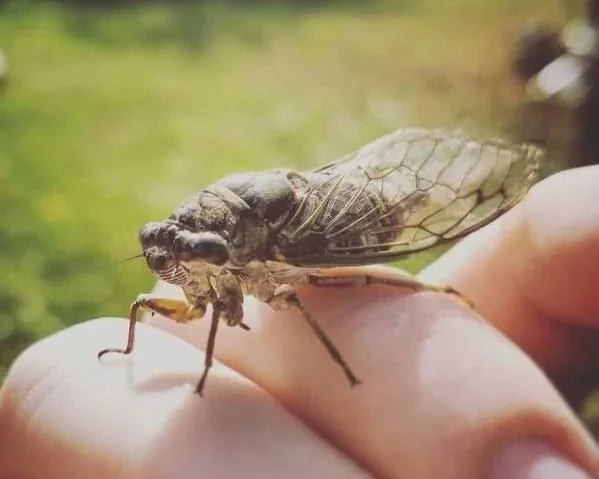
Dog Day Cicada
Are Dog-Day Cicadas Harmful?
Not at all.
Dog-day cicadas don't bite, sting, spread diseases, or damage homes. While females may make small cuts in thin tree branches to lay eggs, healthy, mature trees rarely experience any lasting damage.
In fact, cicadas play an important role in Wisconsin's ecosystem. They provide food for birds, mammals, reptiles, and fish, while their underground tunnels help aerate the soil around tree roots.
So the next time you hear that familiar summer buzz drifting through the trees, remember—it's simply one of nature's oldest traditions reminding us that another Wisconsin summer is beginning to wind down.

Dog Day Cicada
What’s That Noise
Only the male cicadas sing.
Unlike crickets and katydids, cicadas don't make noise by rubbing their wings together. Instead, they use specialized structures on the sides of their abdomen called tymbals. These ribbed membranes rapidly buckle in and out hundreds of times each second, producing the loud, buzzing chorus that's become one of the signature sounds of a Wisconsin summer.
Their song has one purpose: attracting a mate. Each cicada species has its own unique call, allowing females to recognize males of the same species.
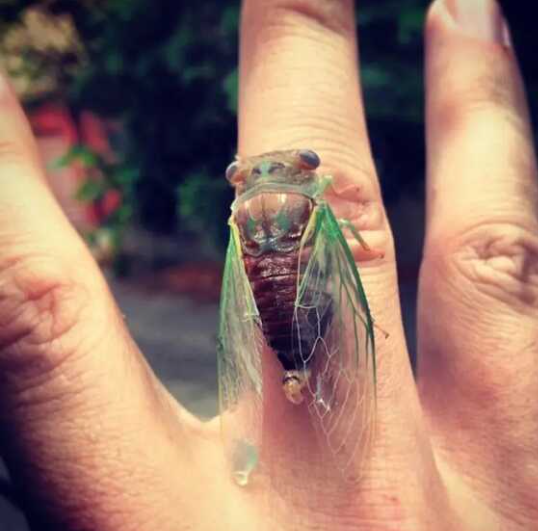
Dog Day Cicada